
How to Choose Flooring
Step 1 - Choose your favorite look*
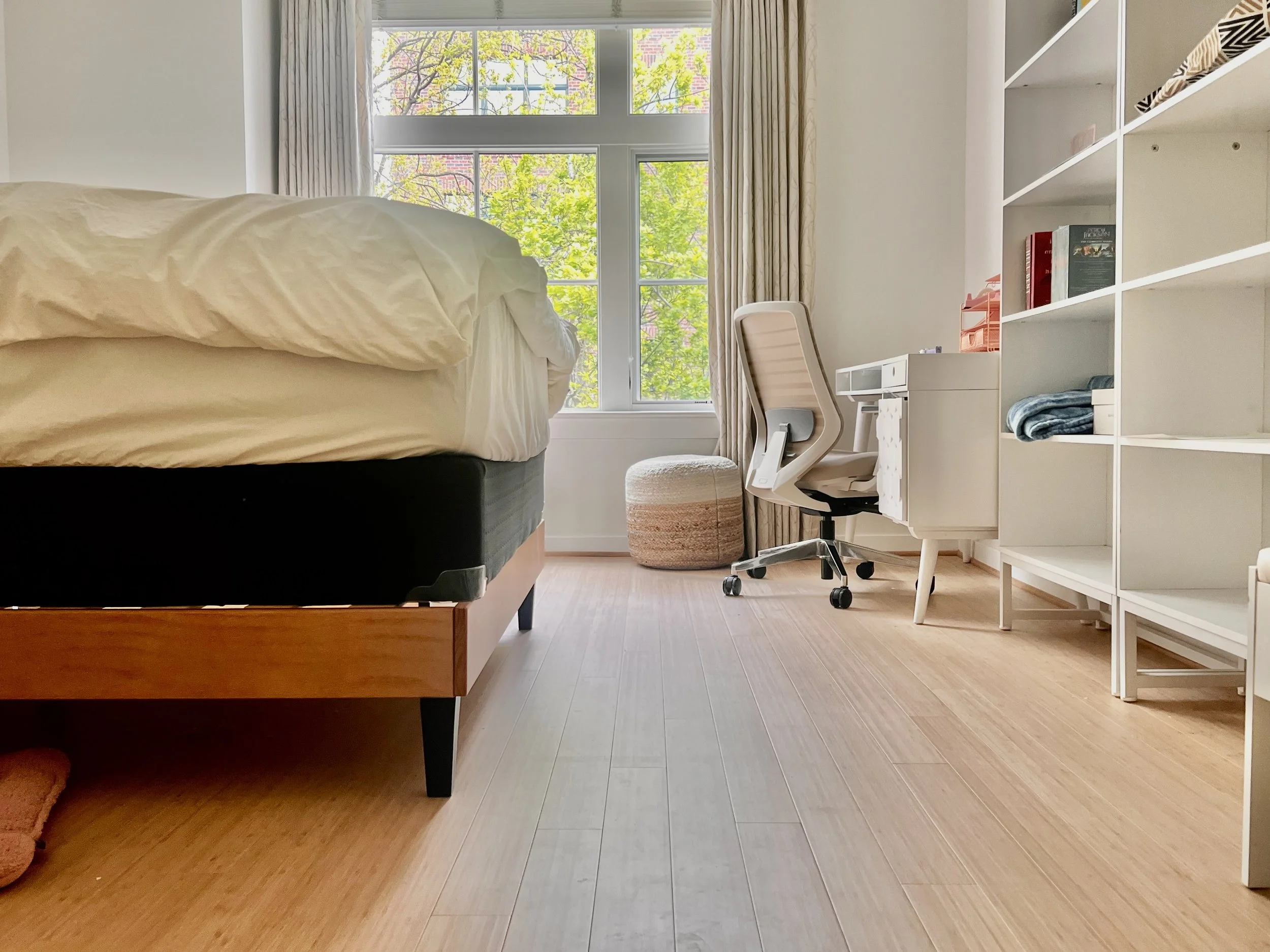
BAMBOO
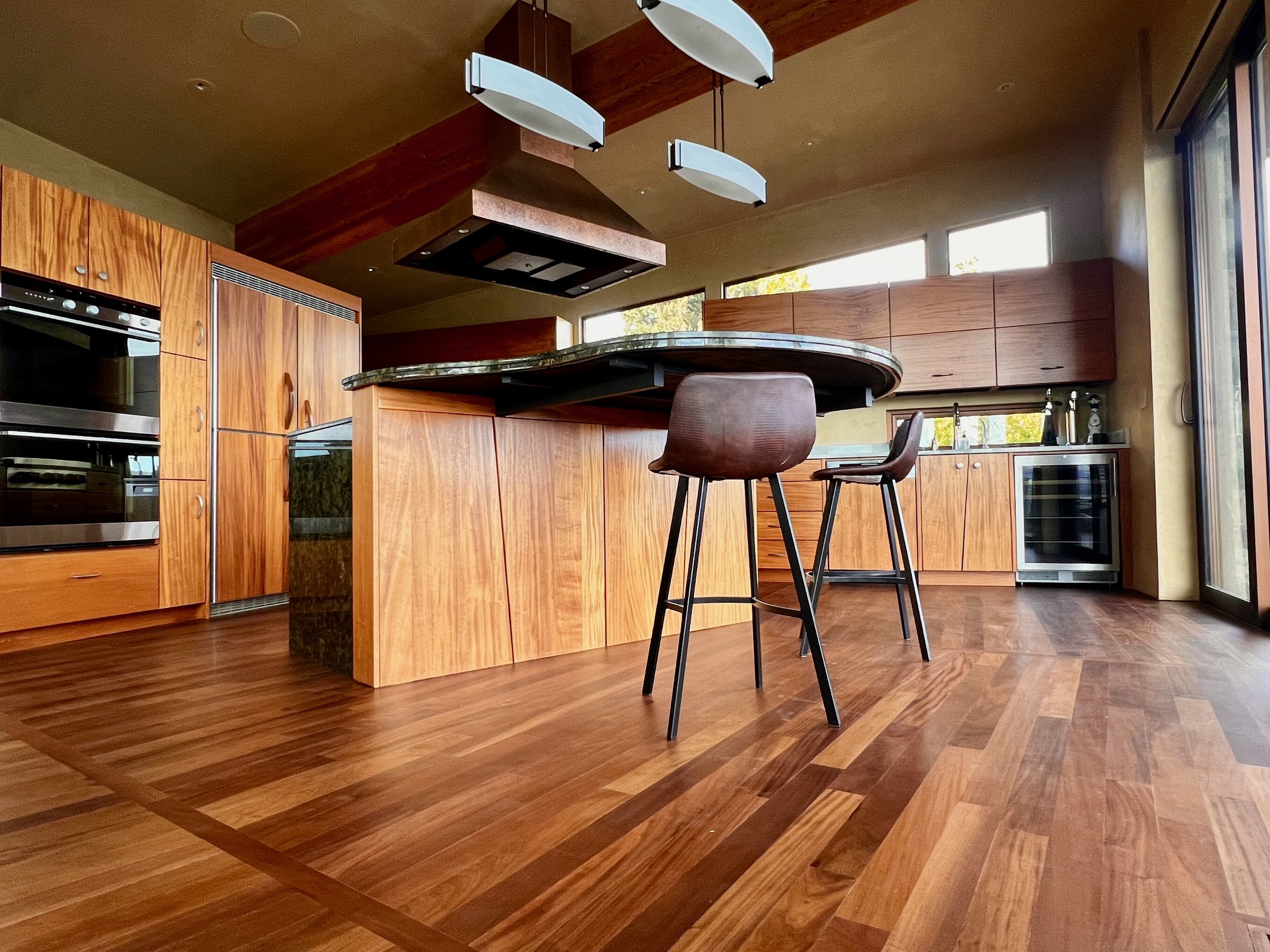
HARDWOOD
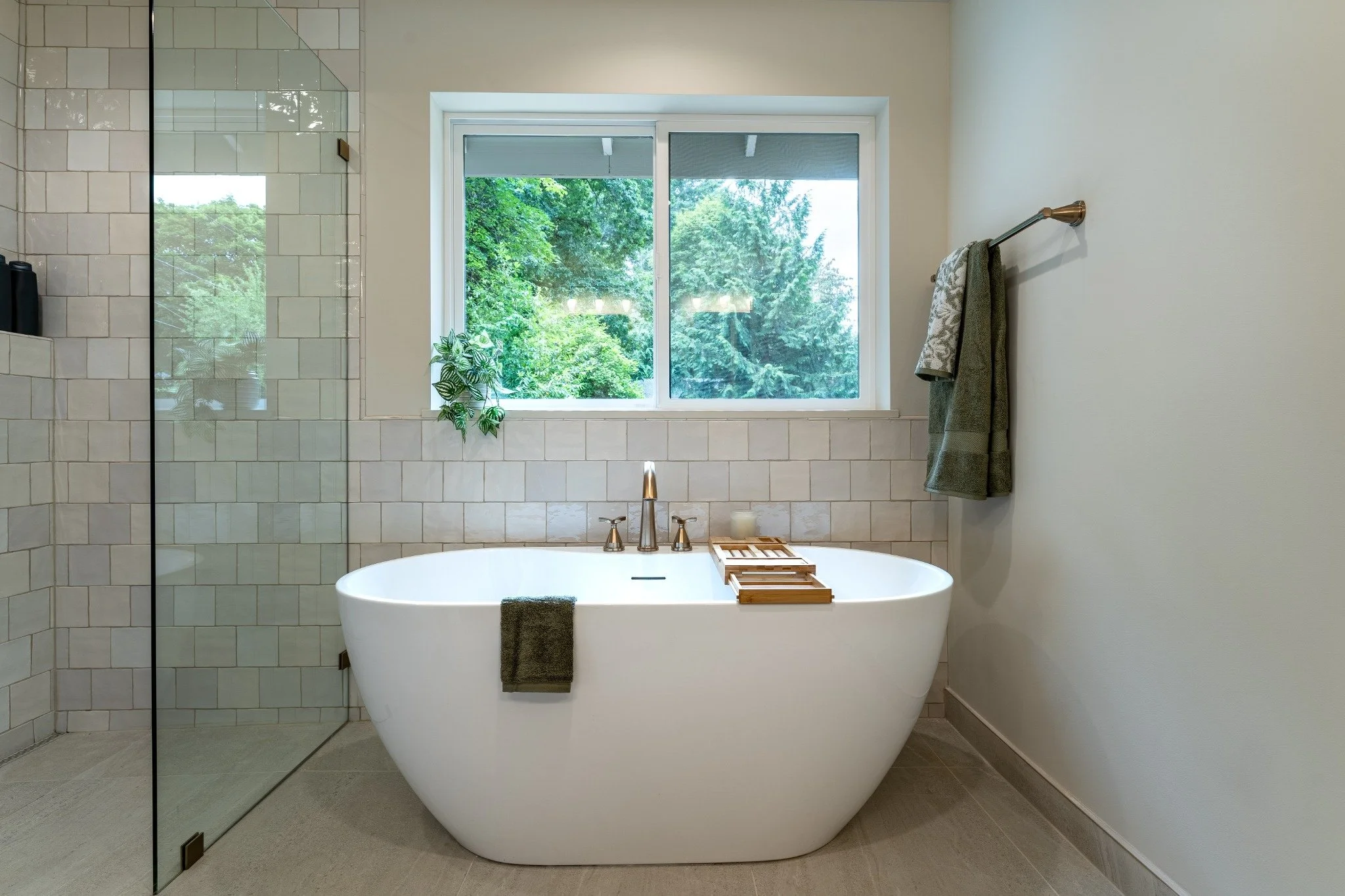
TILE
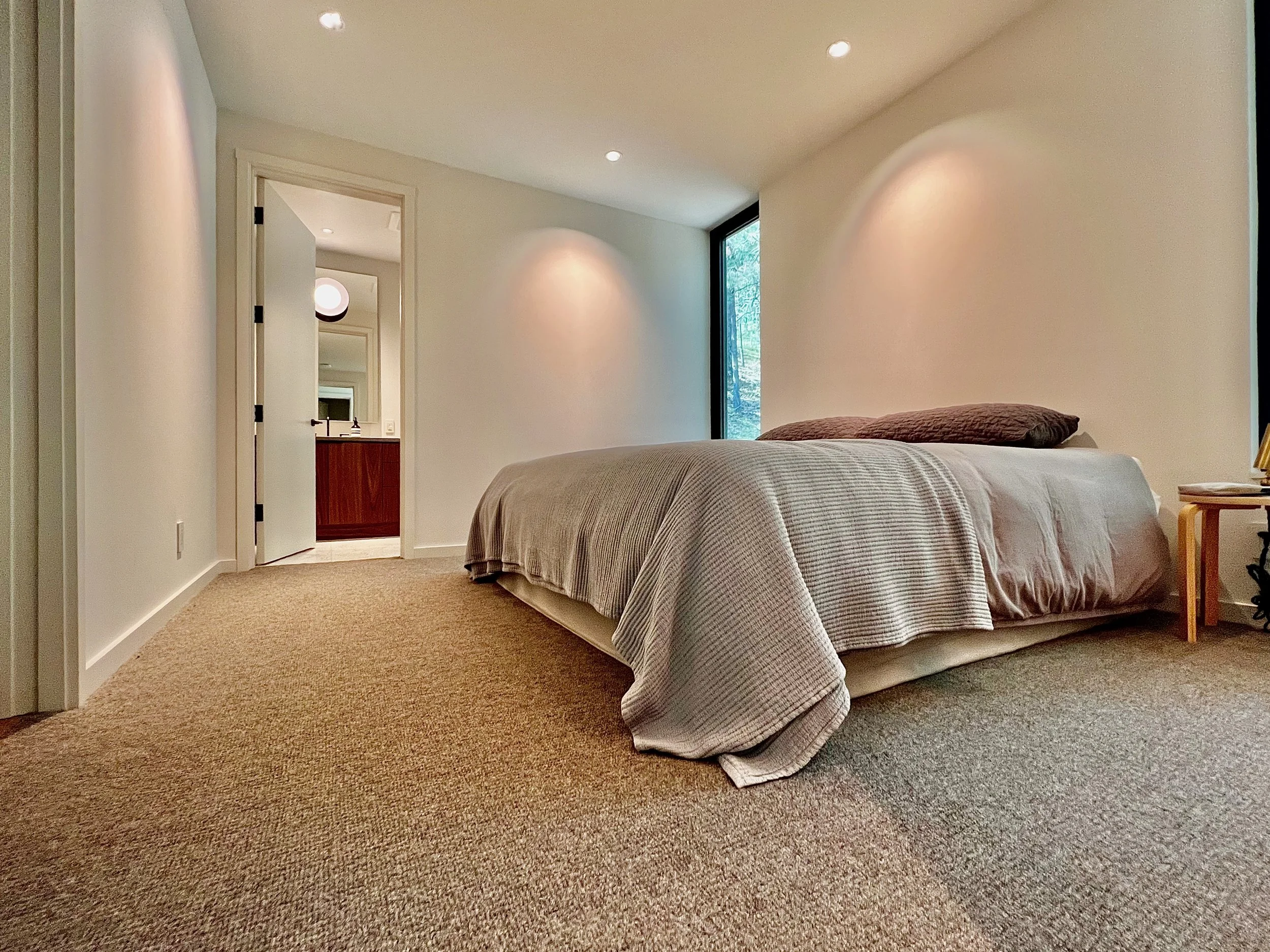
CARPET
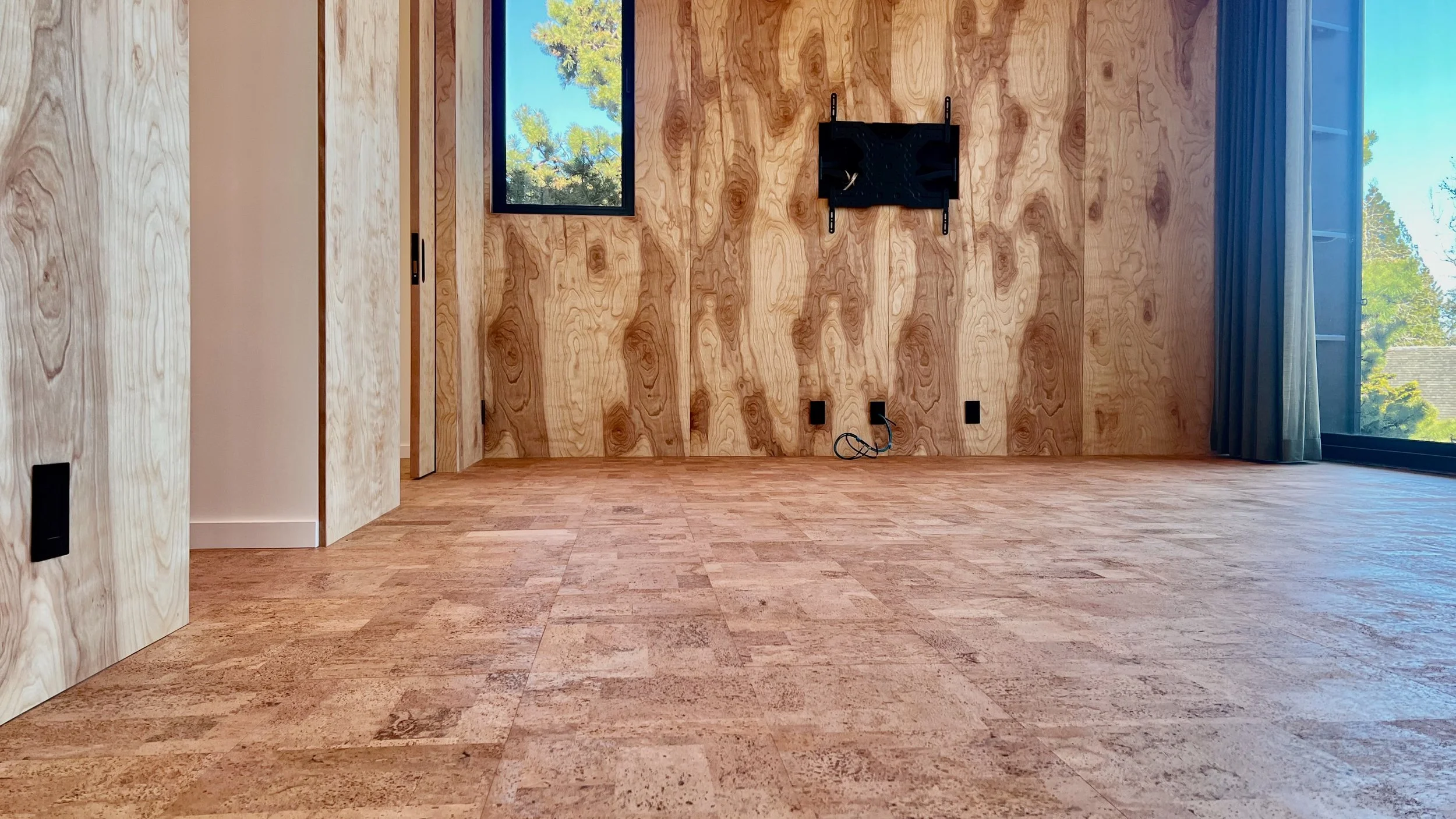
CORK
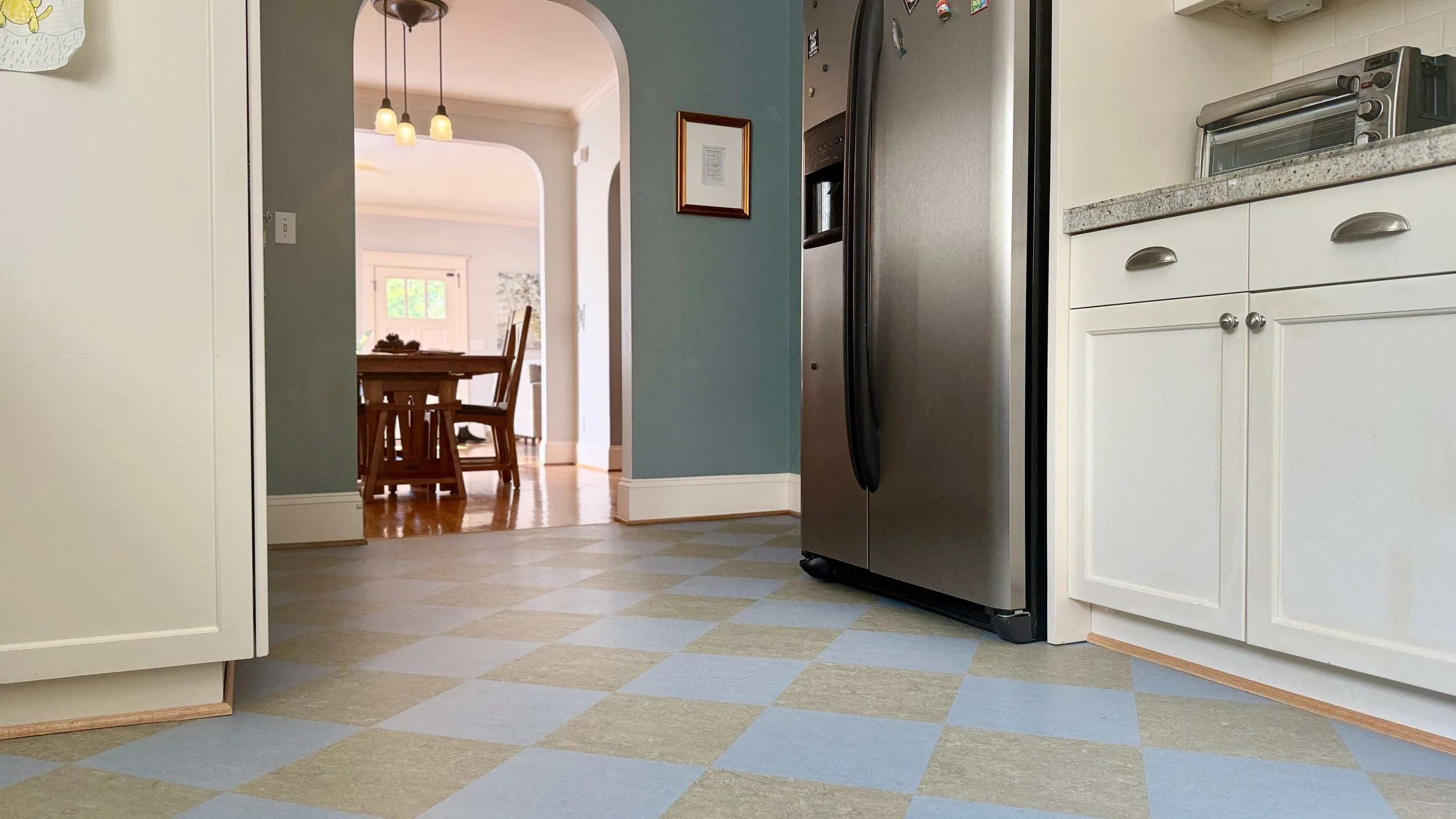
MARMOLEUM
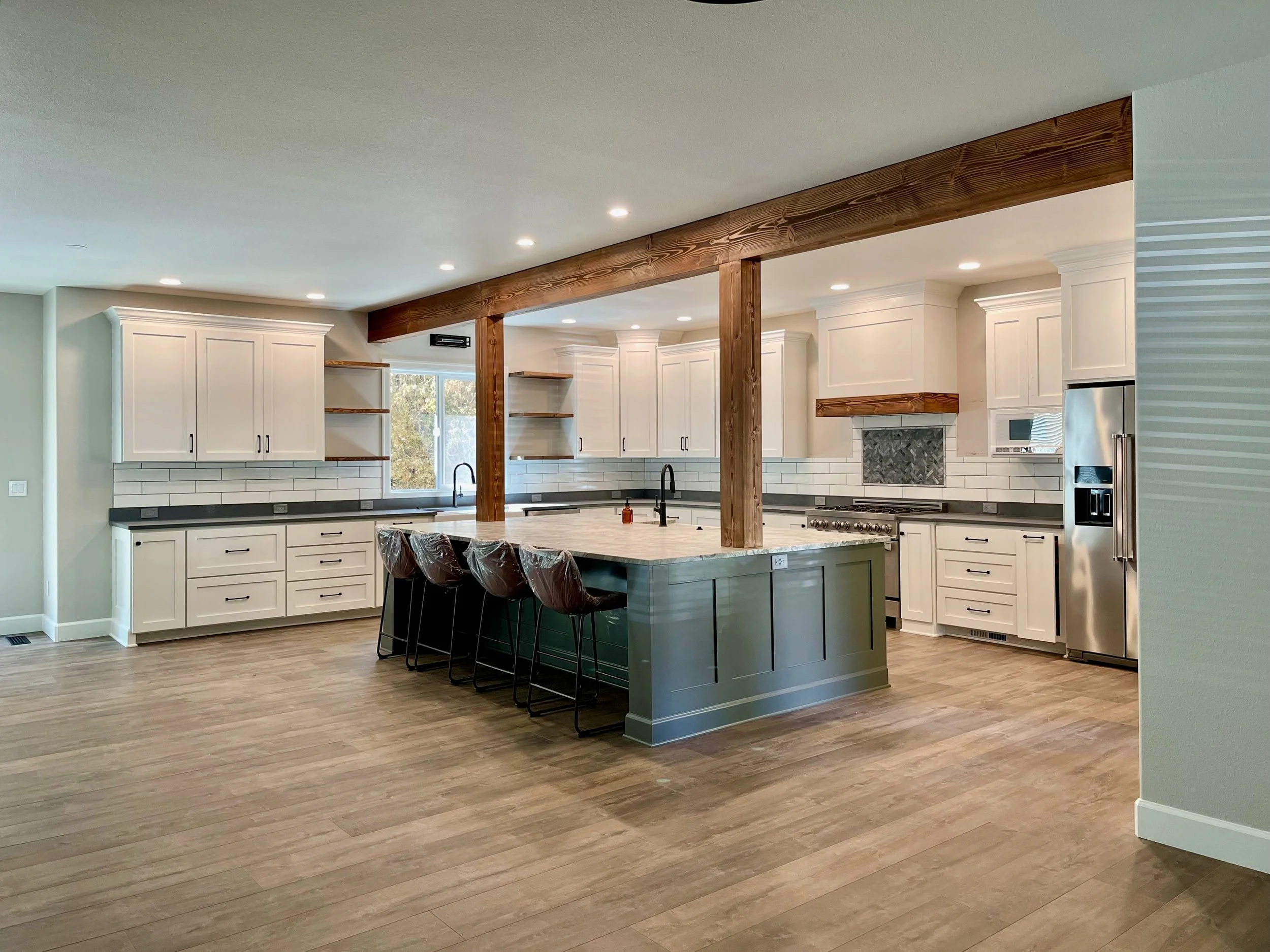
*These are the types of flooring we offer. There are more types of flooring such as rubber, vinyl, concrete, epoxy coatings…however, we do not offer these at this time.
LAMINATE
Step 2 - Figure out the best surface for your space
-
Hardwood Floors are the undisputed king of flooring surfaces, not only for home resale value, but also for their quality feel.
-
Only 2 surfaces: Hardwood - the main floor, including bedrooms, stairs, and half baths. Tile - Full Bathrooms, laundry, and some kitchens.
-
Laminate - High end wood visuals give your space the look of hardwood, but with more perks. Enhanced durability and enough water resistance to be used in bathrooms.
Tile - tile works anoywhere, but will drive up the cost.
-
Any flooring type excluding carpet. Typically this surface will be a continuation of your main flooring surface.
-
As chance to break things up. Due to moisture, Tile is king, and laminates are usable. Some water resistant engineered hardwood will work well.
-
While any hard flooring surface can work, look for ones that rank higher in durability and water resistance.
-
Flooring thrives under a stable climate. Choose tile if you plan to leave your HVAC system off for periods of time. Carpet is also not overly affected by climate. Marmoleum sheet and some engineered hardwoods will perform less well, but can work as long as they’re not exposed to extremes like sub 50 or over 80 degree temps, and humidity under 20% and over 60%.
-
If it is not in your budget to level your subfloor, carpet is the only surface that can handle the un-eveness.
Step 2 - Compare performance
Rank these performance traits, by which matter to you, from most to least. IF ECO matters most, skip to step 3.
Eco (eco friendliness) - refer to the next chart for specific eco friendly properties.
Durability - How durable is a product out of the box?
Longevity - How long is this products life span? For instance, can it be refinished?
Resale - Does this add value to my home or space?
Water resistance - how likely is this product to warp or discolor when introduced to water and/or humidity?
Cost - Avg. cost accounting for install

There are 7 types of flooring, each is ranked 1-7, lowest score is best. Rankings are not a science. They are based on research and our experience. We are comparing each type of flooring, using their common construction, and installation.
Step 3 - Compare ECO properties
Decide which of these properties matter to you most.
VOC’s - all of these products can be found in low VOC options. This is based on the common form in which we sell them (i.e. sand in place hardwood). Note, common install method affects this. That’s why marmoleum was 7. It is most commonly glued down.
Renewability - Is the products main source renewable. Does the source need harvested (a cork tree doesn’t need to be chopped down to harvest the cork)? Are they built with recycled materials?
Longevity - How long is this products life span? For instance, can it be refinished?
Energy to produce / Energy to install - exactly that
How Recyclable - This does not mean these products are recycled or can be. Think - are biodegradable materials used in their construction, and can the materials be repurposed or will they sit in a landfill?
Transport - How far do these materials have to travel to make it to the united states? Some are produced here, like many hardwoods.
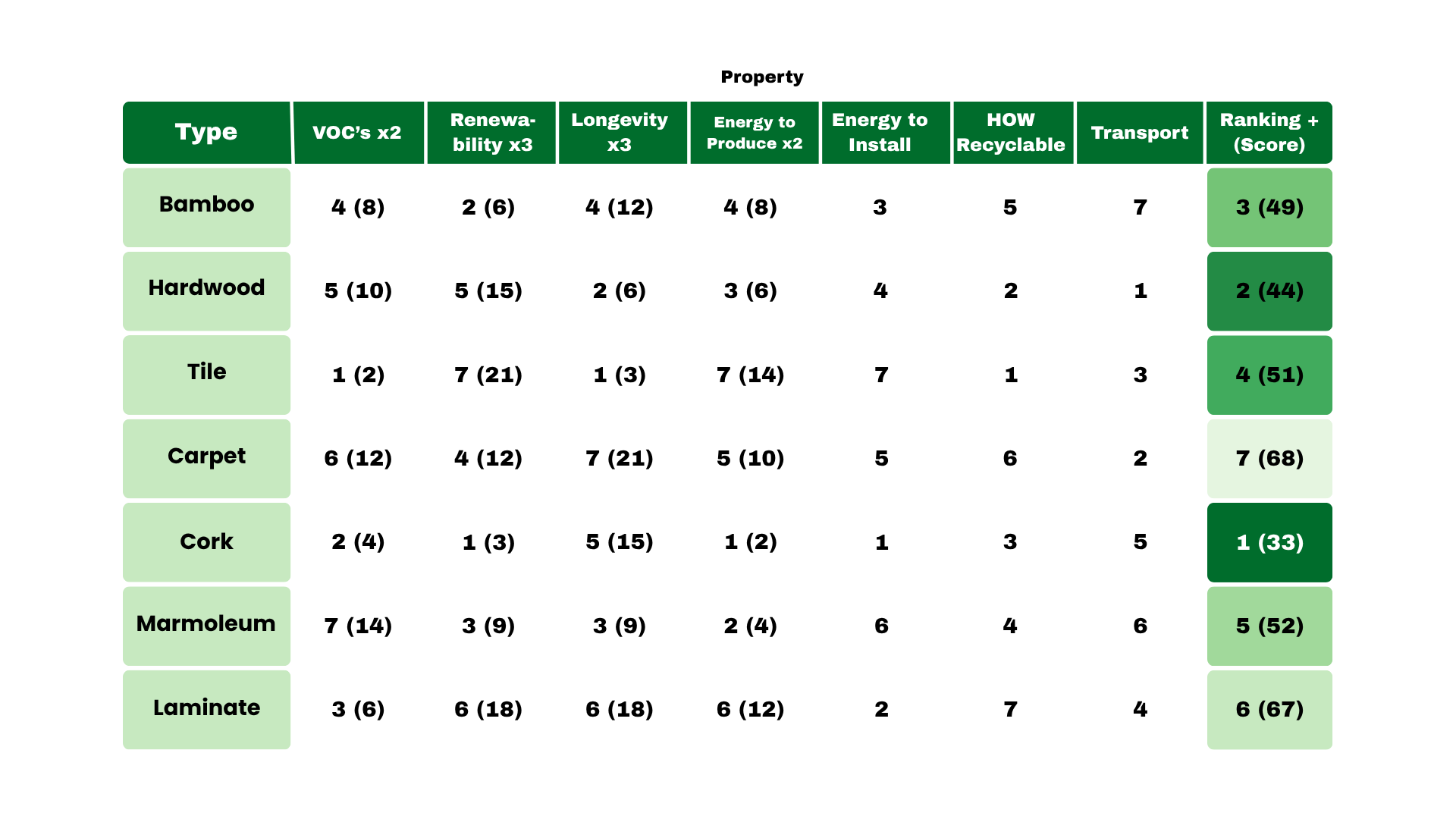
There are 7 types of flooring, each is ranked 1-7, lowest score is best. Rankings are weighted due to importance of the property to “eco friendliness; that number is displayed in (). Rankings are not a science. They are based on research and our experience. We are comparing each type of flooring, using their common construction, and installation.